The Glow-Up: Inside America's Obsession With Neon-Lit Nights
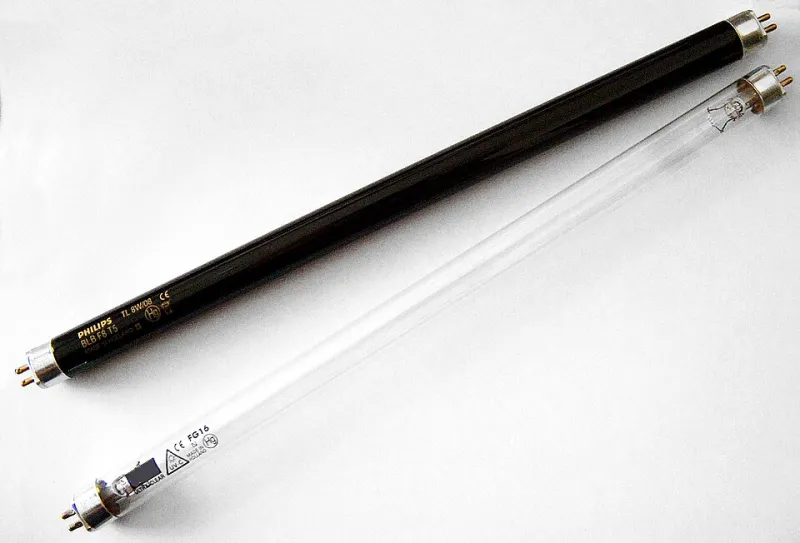
Photo: Fabexplosive, CC BY-SA 3.0, via Wikimedia Commons
Somewhere in Wynwood, a warehouse is pulsing in ultraviolet. A thousand bodies move through clouds of neon paint, phones held high, every frame looking like it was shot on another planet. Three hours later in Brooklyn, a rooftop bar dims its string lights and a grid of programmable LEDs washes the crowd in slow-moving magenta. Nobody planned to take photos. Everyone does anyway.
Welcome to the glow-up of American nightlife.
From Gimmick to Genre
Blacklight parties aren't new — college dorms have been hosting glow-in-the-dark beer pong since forever. What's changed is the ambition. What used to be a novelty theme is now a full design philosophy, with clubs investing serious money in lighting rigs that would make a concert tour jealous.
"Ten years ago, a blacklight was a novelty you rented for Halloween," says a Miami-based party promoter who's been throwing paint raves since 2019. "Now it's the whole identity of the night. People don't ask what the DJ is playing — they ask what the room is going to look like."
That shift is visible in every major market. Los Angeles has immersive neon lounges tucked into Koreatown strip malls. Chicago's warehouse scene has embraced projection mapping that turns brick walls into liquid color. And in New York, rooftop operators have realized that an LED install isn't a cost — it's marketing that works every single night.
The Instagram Effect
It's impossible to separate the luminous trend from the feed. In a dark room, standard lighting makes everyone look like a blur. But UV and neon setups do something remarkable: they make every guest a photographer and every photo a promotion.
"Glow is the most shareable light there is," explains a lighting designer who's rigged venues from Austin to Miami. "White LEDs flatten people. Blacklight makes white shirts, teeth, even cocktail tonic water pop in a way that reads instantly on a phone screen. The crowd becomes the content."
The numbers back it up. Venues that lean into luminous branding consistently report more tagged posts, more story shares, and — crucially — more first-time guests who showed up because they saw a friend's video. In an industry where a single viral clip can book out a month of Fridays, glowing visuals are less an aesthetic choice than a business strategy.
The Craft Behind the Glow
There's real technique underneath the spectacle. Great luminous design isn't about blasting UV everywhere — it's about contrast and restraint.
The best operators follow a few unwritten rules:
- Layer the light. A mix of UV washes, LED strips, and moving heads creates depth. One flat purple room feels like a laundromat; layered color feels like another dimension.
- Think in white. Anything white or fluorescent becomes a light source itself. Smart venues stock glow accessories at the door — bracelets, paint stations, even fluorescent cups at the bar.
- Sync to the sound. The rigs drawing crowds in 2025 don't just glow — they breathe with the bass. DMX-controlled fixtures that pulse with the kick drum turn the entire floor into a visual instrument.
- Leave some darkness. Counterintuitive, but true: the glow only hits if there are shadows to escape into. Contrast is the whole trick.
What's Next for the Luminous Movement
If the last few years were about adopting neon, the next few are about refining it. Expect more interactive installs — LED floors that respond to footsteps, walls that shift color based on crowd noise, wearable glow tech handed out at the door that syncs the whole room to one light show.
For partygoers, the takeaway is simple: the glowing night out isn't a trend burning out anytime soon. It's become the visual language of going out in America. Wear white. Bring friends who take good videos. And when the blacklights come on, put the phone down for at least one song — the glow looks even better with your own eyes.
The night is bright. It's only getting brighter.