When the Clubs Clock Out, These People Just Get Started
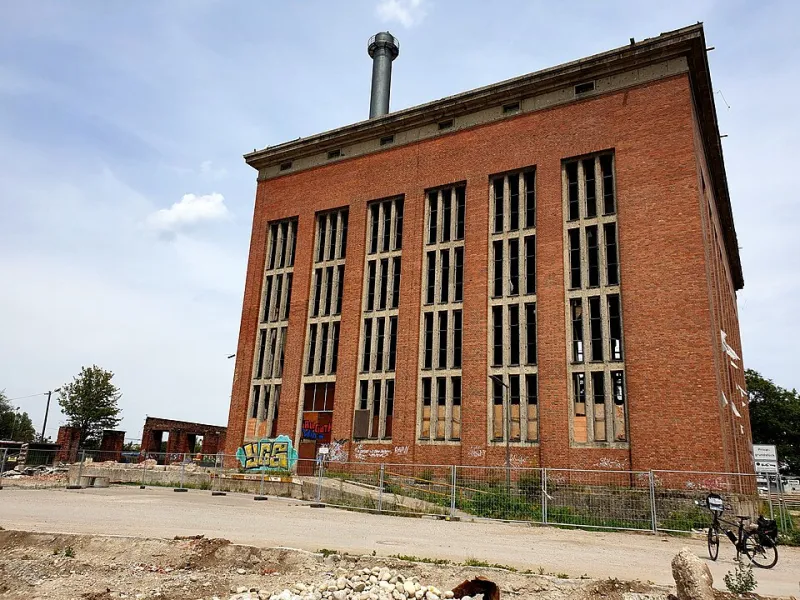
Photo: FHgitarre, CC BY 2.0, via Wikimedia Commons
Somewhere around 3:45 A.M., the bouncer at the club in Logan Square says the thing every seasoned night owl knows is coming: "We're closing." And if you're a rookie, your night ends there. If you're not, you step outside, check your phone, and wait for the address that arrives in a text message or a group chat or a whispered conversation near the coat check.
Welcome to the after-hours economy — the part of American nightlife that doesn't have a front door on the sidewalk or a listing on Google Maps, but absolutely exists, absolutely has a bar, and absolutely will still be bumping when you walk out into morning light.
What After-Hours Actually Means (Legally Speaking)
Let's clear up a misconception first. We're not talking about anything sketchy. Legal after-hours venues are real businesses operating within the rules — they just get creative about them. Some operate as private membership clubs. Some are BYOB lofts that charge at the door for the "event," not the drinks. Some are cafés that transform after midnight, their espresso machines humming next to a Funktion-One stack.
In Chicago, the loft party tradition runs deep — converted warehouse spaces in industrial pockets of the West Side where house music was practically invented, and where the night technically never stopped, it just changed addresses. In New York, the scene has migrated to Brooklyn basements and Bushwick spaces that open when the Mariscos trucks start their shifts. And in Miami, dawn sessions on the water are practically a civic institution — there are dance floors in this city where the peak hour is 6 A.M. and nobody thinks that's strange.
The People Who Never Went Home
Spend enough time in these rooms and you start recognizing a pattern: after-hours is run by a small, devoted cast who treat 4 A.M. the way most people treat 10 P.M.
There's the promoter, who may have been out since dinner and is now running their third event of the night on four hours of sleep and pure adrenaline. There's the DJ playing the after-slot — often the best set of the entire night, because the crowd that made it this far isn't performing for anyone anymore. They're just dancing.
And there are the regulars. Every after-hours spot has them: the hospitality industry folks clocked out of their shifts, the musicians decompressing after their own gigs, the night owls who've decided that sleep is a suggestion. They're the ones who make a 4 A.M. room feel warm instead of desolate. If you show up and they nod at you, congratulations — you're allowed back.
The Unspoken Etiquette of Showing Up at 4 A.M.
After-hours has rules. Nobody will tell them to you, but break them and you'll feel it immediately.
Don't arrive loud. The energy at 4 A.M. is low-key by design. Match it. Slide in, get a drink, settle onto the dance floor like you've been there the whole time.
Don't ask what time it ends. It ends when it ends. Asking makes you sound like you have somewhere better to be, which, at 4 A.M., you don't.
Tip like it's prime time. The bartender pouring your vodka soda at 4:30 A.M. is working a shift most humans can't fathom. Act accordingly.
Vibe check yourself before you enter. After-hours crowds have already done their socializing for the night. They're past small talk. If your energy is aggressive or chaotic, you'll be noticed — and not kindly.
The after-after is earned, not requested. If the crew is heading to someone's apartment for the final wind-down, don't invite yourself. It'll happen naturally if it's meant to.
Where to Start in Your City
You don't find after-hours spots by searching. You find them by talking to people. Bartenders are your best resource — they know every room still open within a ten-block radius. DJs, especially the ones playing opening slots, are walking directories. And late-night food spots, from taco trucks to 24-hour diners, are where the intel gets traded over plates of fries at 5 A.M.
A few city-specific notes: Chicago's after-hours scene clusters around loft spaces and the occasional legal club that simply holds a late license. Detroit's techno lineage means the after-party is practically part of the main event. Los Angeles spreads its late-night energy across warehouse districts and underground spots from downtown to the edges of the county. And New Orleans, bless it, barely distinguishes between "night" and "day" to begin with.
Why It Matters
There's something quietly radical about a room full of people who chose to keep going. After-hours culture is where the performance of nightlife falls away and what's left is just music, movement, and a strange kind of community that only forms in the hours nobody's watching.
The sun comes up eventually. It always does. But in these rooms, for a few more hours, the night belongs to the people who refused to let it end — and honestly, that's the most luminous thing there is.