Every City Has Its Own Bassline: The Case Against the Same DJ Everywhere
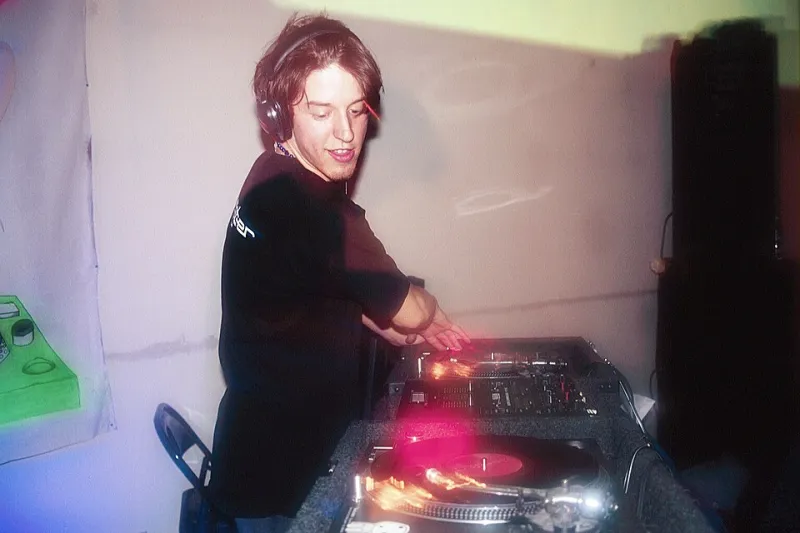
Photo: Ntht320, CC BY-SA 4.0, via Wikimedia Commons
You Can Hear a City Before You Can See It
Drop into a club in Miami and the low end hits different — that rolling, almost cartoonish bass culture that grew out of bootytalk and bounce and never really left. Drive up to Detroit and the sound tightens into something colder, more mechanical, more future-facing. Head to New York and it loosens again into house music's loose, hip-swinging swagger. Chicago? That's the blueprint, and everyone in the room knows it.
Geography shapes sound. Humidity, car stereos, warehouse zoning laws, migration patterns, which radio stations survived the nineties — all of it baked into how a city dances. Regional nightlife sound isn't nostalgia. It's identity.
The Touring Circuit Is Flattening the Map
Here's the uncomfortable part: if you booked tickets to see certain headliners, you could be in Philadelphia, Phoenix, or Portland and have a nearly identical night. Same set, same visuals, same drop timing. The routing logic of the touring economy — agents book a weekend loop, clubs pay for names that guarantee door sales — means the same forty DJs rotate through the same forty cities.
Nobody's villain here. Clubs are businesses, and a recognizable name pays the light bill. But something gets lost when every room sounds the same: the sense that a city's night belongs to that city.
What We're Losing When Sound Gets Generic
A city's signature sound is a form of local culture the way barbecue is. You don't want every region's brisket to taste identical, and you shouldn't want every dance floor to move identically either.
When Miami clubs book the same Berlin-approved minimal techno everyone else books, something gets sanded off. When Detroit venues chase coastal trends instead of trusting the city that invented the future of dance music twice, that's not progress — that's amnesia.
The Locals Are the Whole Point
The good news: the resistance is already here, and it's local.
In Miami, a new generation of promoters is putting bass music and Latin club hybrids front and center, treating the city's Caribbean and Southern roots as a feature, not a throwback. In Detroit, parties like the ones running the underground for decades keep booking residents first, tourists second — and the tourists come because it sounds like nowhere else. In New York, a wave of rooftop and loft scenes is rebuilding house music's communal, unhurried DNA, one Sunday afternoon at a time. Los Angeles has its own lowrider-slow funk underground going. New Orleans never needed permission from anyone.
The common thread: resident DJs. The person who plays your city every month knows the room in a way a touring headliner landing at 6 p.m. never will. They know the crowd shows up at 11:30, that the floor opens up at 1, that this city wants it a little faster, a little warmer, a little weirder.
How to Be Part of the Fix
You vote with your door money, so spend it like it matters:
- Pick the local opener over the touring headliner at least once a month. That's where the city's actual sound lives.
- Follow resident DJs, not just tour posters. Their monthly residency is the truest snapshot of your scene.
- When you travel, skip the export. Don't fly to Miami to hear the same set you can hear at home. Ask a local where the city sounds like itself.
The Glow Is Local
There's a reason the best nights of your life are hard to explain to people from other cities. It's not just who you were with — it's where. The room, the room's sound, the way this specific crowd moves to this specific beat.
Generic nightlife is still fun. But the nights that glow brightest are the ones that could only happen exactly there. Keep them alive.