Jackets, Secrets, and Stolen Wedges: A Night Behind the Coat Check Counter
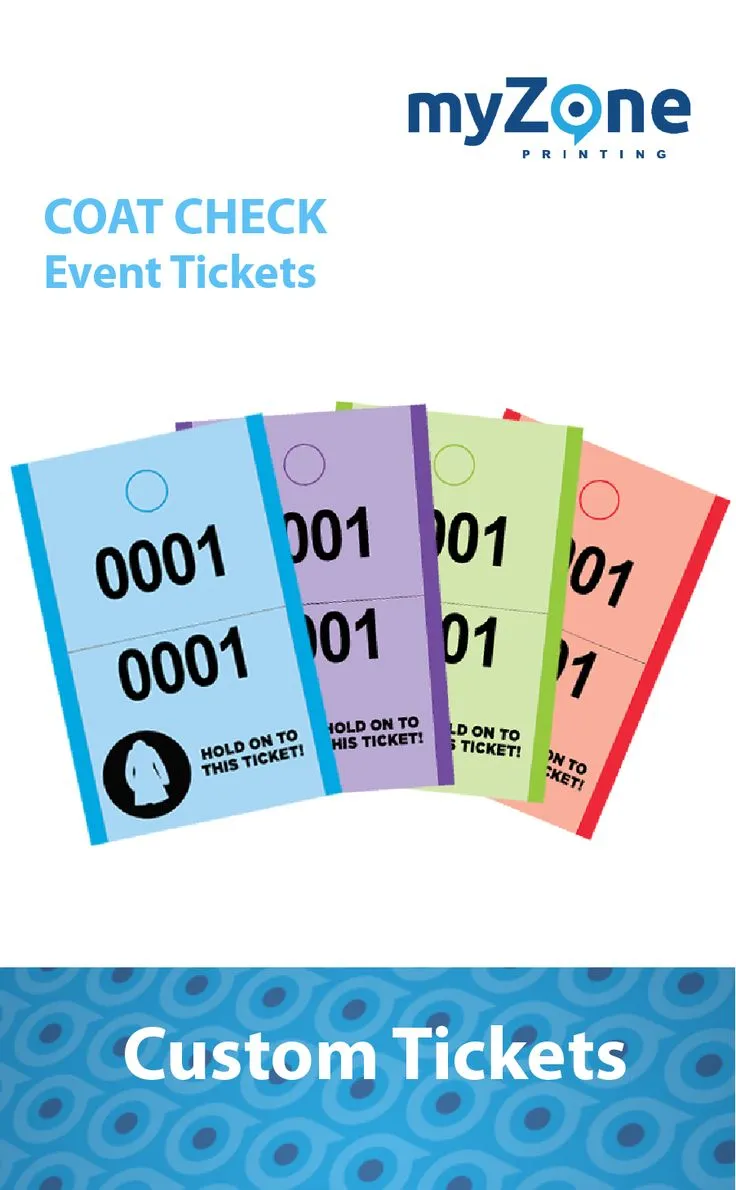
Photo: nightclub coat check counter jacket ticket, via i.pinimg.com
There's a moment at every club, right around the second or third drink, when the night stops being a plan and becomes a fact. You're not going anywhere. You're in it. And if you pay attention, you'll notice that moment usually happens right after you've handed a stranger your jacket.
Nobody thinks about it in the moment. You grab your little paper ticket, you toss a couple bucks in the jar, and you vanish into the crowd. But on the other side of that counter, someone just became the temporary keeper of your most valuable possessions — your wallet, your keys, sometimes your entire sense of self.
We spent a few weekends talking to the people behind the counters and the cubbies, from Brooklyn warehouses to Vegas megaclubs, and what we found is that the coat check isn't a side note to the night. It's the infrastructure. The night literally cannot happen without it.
The Ticket Is a Contract
Ask any veteran coat checker and they'll tell you the same thing: the transaction is built on a kind of unspoken trust that most people never consciously register.
"People hand me a $2,000 puffer and a bag with their passport in it, and I give them back a piece of paper with a number written in Sharpie," says Marisol, who has worked the coat check at a mid-size venue in Chicago for six years. "That's the whole deal. That paper is the entire system."
And it works — almost always. The horror stories are rare, and the workers take the job seriously in a way that surprises people. Several told us they memorize faces along with ticket numbers, a fail-safe for the inevitable moment someone shows up at 2 a.m. holding a ticket for a jacket that was checked at 11.
The tip jar, by the way, is doing more work than you think. For a lot of these workers, it's not a bonus — it's most of the night's actual income. The $15 an hour or so is the base. The crumpled fives are the real wage.
The Museum of Things You Forgot You Had
Every venue has a lost-and-found, and every lost-and-found is a small, strange museum of American nightlife.
The hits, across everyone we talked to:
- A prosthetic leg. Checked at a Portland venue, reclaimed two nights later. "Very nice one," the attendant noted. "Carbon fiber."
- A live lobster. Yes, really. It did not survive until pickup, and staff still don't fully know why someone brought it.
- An urn. A small one. It sat in the manager's office for three weeks before a very apologetic family collected it.
- A single glittery wedge heel. Never matched. Still there, displayed on a shelf like a sculpture.
- An engagement ring box. The proposal happened on the dance floor. The box was never reclaimed. The ring, presumably, was on someone's hand — so maybe that's a happy ending.
Phones, keys, and IDs make up the bulk of it, of course. But it's the weird stuff that workers remember, and the weird stuff that turns the lost-and-found bin into something closer to an archive of the night itself.
The Psychology of the Hand-Off
Here's the part that fascinated us most: the coat check as a psychological threshold.
"You can watch it happen," says Dre, who works the locker bank at a warehouse-style spot in Detroit. "Somebody comes in with their jacket still on, phone in hand, kind of hovering. They're not committed yet. Then they check the coat, pocket the ticket, and — something shifts. Shoulders drop. Phone goes away. Now they're dancing in ten minutes."
There's real logic to it. Your jacket is your exit strategy. It's the thing that lets you leave. Hand it over, and you've quietly told yourself that leaving is no longer the plan. In a culture where commitment is hard to come by, the coat check might be the most honest contract in nightlife.
The phone-locker trend has only deepened this. At phone-free venues, checking your phone has become the modern version of checking your coat — a physical act of surrender that unlocks the whole night. One attendant in New York described it as "the velvet rope for your attention span."
How Not to Be That Person
A few things the pros want you to know:
Photograph your ticket. Or at least know your number. "I can't tell you how many people take a photo of their drink instead," Marisol laughs.
Tip early, tip once. Some regulars tip on the way in so their jacket gets the good hanger treatment. Everyone knows who tips. Everyone.
Don't try to smuggle the whole apartment. One bag, one jacket, one ticket. The system has limits, and so does the counter.
Come back for your stuff. Most venues hold items 30 days, some longer. That lobster did not make it. Your jacket will.
The Quiet Heroes of the Night
The next time the night ends and you're standing at that counter, half-deaf from the bass, trading a crumpled ticket for a warm jacket — take an extra second. The person handing it to you held the night together while you were losing yourself in it. They kept your keys safe while you forgot where you were.
That's not a small job. That's the whole glow, held on a hanger, waiting for you at 3 a.m.