The Table Minimum Is Made Up: How to Get the VIP Experience Without Funding It
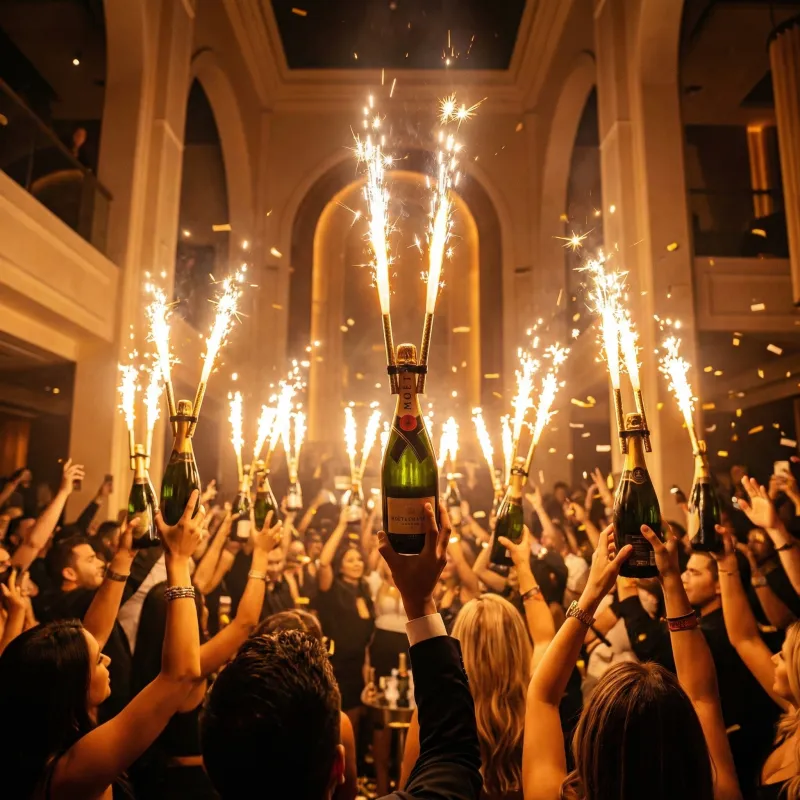
Photo: luxury nightclub VIP booth bottle service sparkler champagne, via cdn.shopify.com
Let's start with an uncomfortable truth: the table minimum is a work of fiction. Not entirely — the club does want money — but the number on that card they slide across the rope? It's a starting position, not a price tag. And once you understand how the economics of a US nightclub actually work, you realize how many doors that "$2,500 minimum" was never really locking.
Why Bottle Service Got So Absurd
Fifteen years ago, bottle service was a Las Vegas invention that spread to every major city like glitter after a drag show. Then the math changed. Clubs realized that a single table could out-earn a hundred ticket-buyers, so floors got redesigned — dance floors shrunk, real estate went to booths, and suddenly the best view of the DJ cost more than your rent.
In Miami, a table at a marquee club on a Saturday can start at $3,000 before tip and tax. In New York and LA, it's routinely worse. The bottle itself? Often $40 of retail vodka with a fireworks parade attached. You're not paying for liquor. You're paying for territory, lighting, and the theater of being seen.
Which is fine — if you want the theater. But there are cheaper ways to feel like a headliner.
Move One: Befriend the Promoter (It's Easier Than It Sounds)
Promoters are the clubs' sales team, and their incentives are not what you think. They get paid on butts in seats and tables moved — and they have quotas. That means guest lists are real, and "guest list plus one" is the most underused phrase in American nightlife.
Find the promoter for the night you want to attend (Instagram is the entire infrastructure at this point), message like a normal human, and show up before midnight. That's it. You'll often get reduced or free entry, sometimes a drink ticket, occasionally a look at a discounted table if you're with a group.
The catch: guest lists usually close around 11 or 11:30, and they're void on holiday weekends and big DJ nights. Plan accordingly.
Move Two: Hunt the Off-Nights
Saturday is when clubs charge Saturday prices. Friday is when they charge hope. Thursday — or any weeknight with a themed event — is when the whole VIP apparatus gets desperate. Table minimums drop by half or more, comps flow freely, and the crowd is often more local and more fun because nobody's performing for a bachelorette party from Ohio.
Some clubs run explicit "ladies night" or industry night upgrades where a group can get a table comped with a modest bottle commitment. This is not a secret. It's a business model running at 60% capacity, and you're the revenue it needs.
Move Three: Split the Table, Split the Math
Here's the move nobody talks about openly: table minimums are per table, not per person. A $1,500 minimum split six ways is $250 each — roughly what you'd spend anyway on drinks at $22 a pop. A split table with a booth, a bottle, water, and a place to put your jacket is frequently cheaper than standing at the bar all night.
The rules of doing it right:
- Only split with people who will actually show up and pay. No-shows have ended friendships.
- Book through the promoter, not the club's public line — you'll get a better minimum and more flexibility.
- Ask what happens if you don't hit the minimum. Many venues will roll it into a second bottle or comp a round rather than lose the booking.
- Tip in cash, separately, and tip well. Your server controls your night more than the DJ does.
The Real Flex
Here's the opinion part: the most stylish person in the room is never the one with the biggest receipt. It's the one who looks like they belong, knows the doorman's name, showed up at the right hour, and spent $60 instead of $600 — and nobody can tell the difference.
Bottle service sells belonging. But belonging has never actually been for sale. Learn how the machine works, time your arrival, know who to message, and the VIP section stops being a velvet-rope tax and starts being a menu of options — most of which are cheaper than you've been told.