Shhh, the Vinyl Is Talking: The Quiet Takeover of America's Nightlife

Photo: megabus13601, CC BY-SA 2.0, via Wikimedia Commons
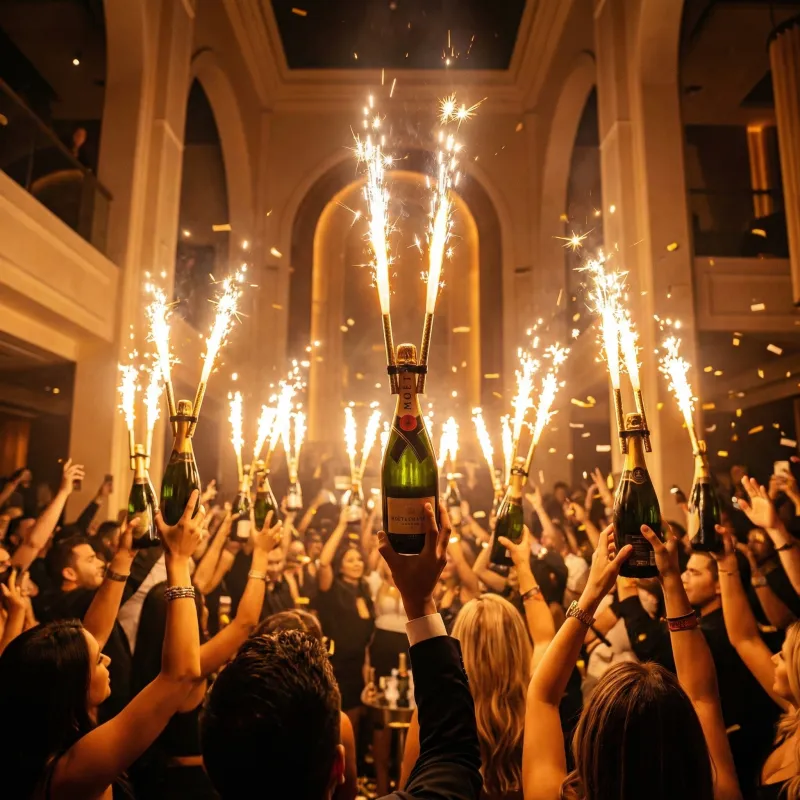
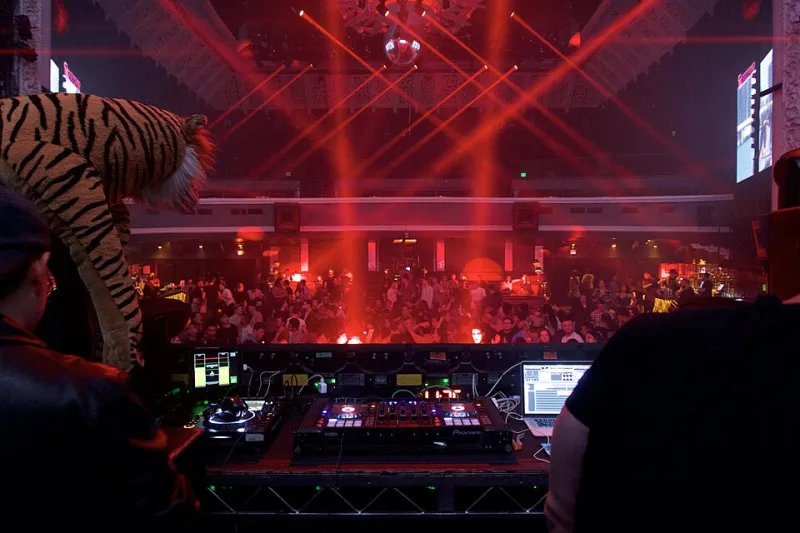
Let's say the unsayable: sometimes the club is loud because there's nothing to say. We've all had that night — the bass is seismic, the crowd is beautiful, and you're leaning into a stranger's ear screaming "WHAT?" for the fourth time, wondering why you spent $80 to be unable to have a conversation. A generation of drinkers and dancers is quietly (literally, quietly) arriving at the same conclusion, and they're building the antidote one turntable at a time.
The listening bar has landed in America, and it might be the most important nightlife trend of the decade.
What Actually Is a Listening Bar?
Strip away the mystique. A listening bar is a room built around a sound system the way a temple is built around an altar. Vinyl-only or vinyl-forward. The music — jazz, ambient, Brazilian records, deep cuts you've never heard — is mixed at a volume where you can still hear the person next to you. The lighting is low and warm. The drinks are treated with the same care as the records. Talking is not just allowed; it's the whole point.
The concept traces back to Japan, where jazz kissa — tiny cafes devoted to listening to records over coffee and whisky — have operated for decades. Tokyo's bars took it further, and American drinkers who visited came home wondering why our rooms were so loud and our sound systems so bad.
The answer is now open in cities across the country.
The Venues Leading the Glow-Lit Movement
New York. The city that invented loud has fallen hard for quiet. Spots like Elsa in Cobble Hill and the string of Tokyo-inspired listening rooms popping up in Manhattan have turned album-side listening into a reservation-worthy event.
Los Angeles. LA's version skews cinematic — hi-fi lounges in Highland Park and Echo Park where the sound system costs more than the rent and the crowd discusses pressing quality between sips of highballs.
Chicago. Fittingly, the home of house music also harbors some of the warmest vinyl lounges in the country, where the DJs spin dusty soul and the crowd actually claps when a record ends.
Portland, Seattle, Austin, New Orleans. Every city with a record store culture now has at least one room where the turntable is the headliner. If your town doesn't have one yet, give it six months.
Your First Visit: A Field Guide
Going to a listening bar is not like going to a club, and showing up wrong is the fastest way to feel like a tourist. Here's the etiquette, distilled.
Keep your voice at conversation level. This is the one rule. If the bartender can hear your story from across the room, the room can hear it too.
Don't request songs. This isn't a jukebox. The person behind the decks is telling a story across an evening. Let them.
Sit at the bar if you can. The best seat in the house is usually at the counter, close enough to watch the record drop and chat with the person spinning.
Order the house drink. Listening bars take their cocktails as seriously as their curation. The menu is short because it's been considered. Trust it.
Applaud the set, not the song. When a DJ finishes a long, beautiful segue, a quiet round of applause is not weird here. It's expected.
Why This Matters More Than a Trend
Here's our take: the listening bar boom isn't a rejection of nightlife. It's a correction. The megaclub era optimized for spectacle and sold us a VIP fantasy at table-minimum prices. The listening bar optimizes for something harder to monetize — presence. Being in a room where the music is treated with reverence and the volume respects your friendships feels less like going out and more like coming home.
And there's a glow to these places that a laser rig can't touch: the amber warmth of a lamp on a record sleeve, the soft hum of a tube amplifier, the low hum of thirty strangers agreeing, without saying so, that this — right here, this volume, this moment — is enough.
Go loud on Friday. Go quiet on Saturday. Your ears, your friends, and your Sunday self will all thank you.