Where the Address Doesn't Exist: Cracking the Code of America's One-Night Warehouse Raves
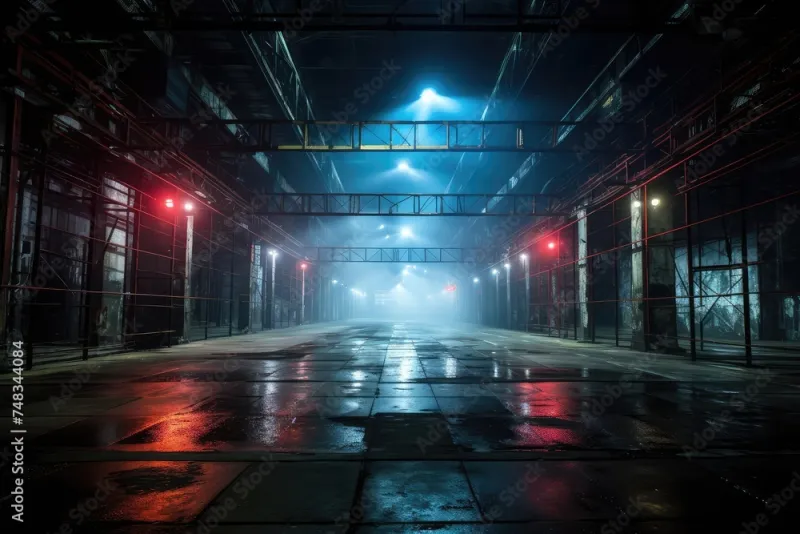
Photo: abandoned warehouse rave party neon lights crowd at night, via as1.ftcdn.net
The flyer, if you can call it that, is a single image: a glowing geometric shape on a black background, a date, and a time. No venue. No address. No lineup. By 9 p.m. the night of the event, roughly two thousand people will have received a pin drop to an industrial pocket of the city that most residents couldn't find on a map. By sunrise, the sound system will be in a van, the glow tape will be peeled off the walls, and the building will go back to being nobody's business.
Welcome to the one-night warehouse rave — the most stubbornly alive corner of American nightlife.
Built to Disappear
The pop-up model isn't nostalgia for the '90s; it's logistics. Renting a legitimate venue means permits, security contracts, sound ordinances, and a paper trail. Pop-up organizers work differently: they find raw space — vacant warehouses, defunct auto shops, empty floors of buildings awaiting demolition — negotiate a single-night handshake deal, and build the entire experience from scratch.
And we mean build. Organizers describe a frantic 12-hour install: generator rigs, fog machines, LED strips and blacklight arrays taped along structural beams, a DIY chill-out corner with water and electrolyte packets, volunteers at the door checking IDs with flashlights. Then, at the end, everything reverses. "Leave no trace isn't a slogan, it's the whole business model," one Los Angeles-based organizer told us, on the condition of anonymity. "The building's owner should walk in Sunday and wonder if he imagined us."
The luminous aesthetic is practically mandatory out of necessity — raw warehouses are pitch black, so light becomes the decoration. Blacklight paint on exposed brick, glow rope marking exits, a projector throwing slow-moving patterns on the ceiling. It costs less than a light rig and looks like the future.
How the Address Finds You
So how do people actually hear about these things? The channels are less secret than they are unadvertised:
- Mailing lists and Signal/Telegram groups. Most crews run a simple email list or encrypted group chat. You get on it through a friend, or by finding their link at the end of a mix on SoundCloud.
- Location drops. The address typically goes out 2–6 hours before doors, often as a pin plus a parking instruction ("street parking only, don't block the loading dock").
- Record stores, skate shops, and coffee counters. The analog network is real. Small flyers with just a logo and an Instagram handle still work precisely because they require effort.
- The follow chain. Go to one, be cool, and you'll get added to the next one. That's genuinely the entire system.
Crews screen for vibe as much as volume. Cap attendance, keep the list tight, and the party stays safe and self-policing. Bloat the list and you've got a problem by 1 a.m.
First-Timer Field Notes
Showing up to your first warehouse party? A few things the veterans wish someone had told them:
Dress for concrete. Sneakers, layers you can tie around your waist, nothing you'd cry over. Warehouses are cold at midnight and hot by 2.
Bring cash and a fully charged phone. Some events are donation-based at the door; some have water for sale, some don't. A portable charger means your ride home never depends on a dead battery.
Locate the exits early. Standard advice at any big event, and doubly true in an unfamiliar building. Good crews mark exits with glow tape — if you don't see any, that's a reason to leave, not explore.
Pace your night, watch your drink, and go with people you trust. The underground runs on mutual care. Look out for your crew, and someone will look out for you.
When it's over, vanish gracefully. Don't linger, don't post the address, don't tag the location. The whole ecosystem survives on discretion. The next party depends on this one staying quiet.
The Morning After
There's a specific feeling to walking out of a warehouse at 5:30 a.m. — ears ringing, shoes dusty, the sky doing that pale blue thing while a forklift sits where the dance floor used to be. No photos exist. No venue listing will confirm it. The only proof is the mailing list notification that'll hit your phone in three weeks with a new glowing shape on a black background.
And now, at least, you'll know exactly what to do with it.